

AGMHI Research Mentorship Program
Supporting emerging African mental health researchers
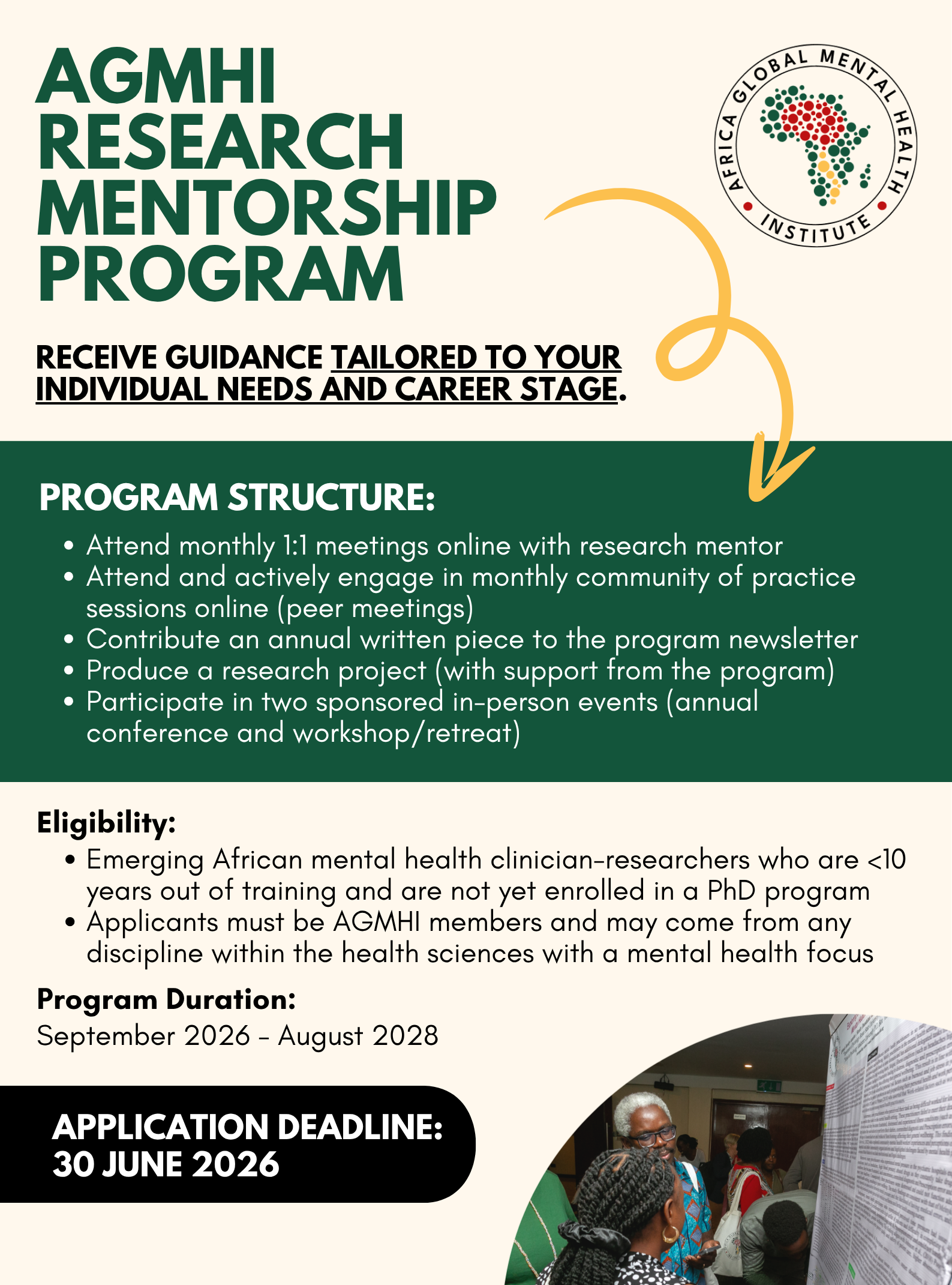
The AGMHI Research Mentorship Program supports emerging African mental health clinician-researchers by offering mentorship and professional development opportunities to advance their research skills, develop their innovative research projects, and contribute to the mental health evidence base in Africa.
Watch the video below from our pilot cohort to learn more about what it’s like to participate in the program.
NOTE: Fellows will be required to complete AGMHI membership upon acceptance into the program.
We are also seeking mentors who are experienced mental health researchers and leaders with the wisdom and expertise to guide fellows. Mentors may be located in Africa or the diaspora and must commit to meeting their fellow at least one hour/month (virtual or in-person) for the duration of the two-year program. For more information, please refer to our Mentor FAQs. Individuals interested in becoming mentors should contact us with their CV at agmhi@ukzn.ac.za.
Meet our Fellows
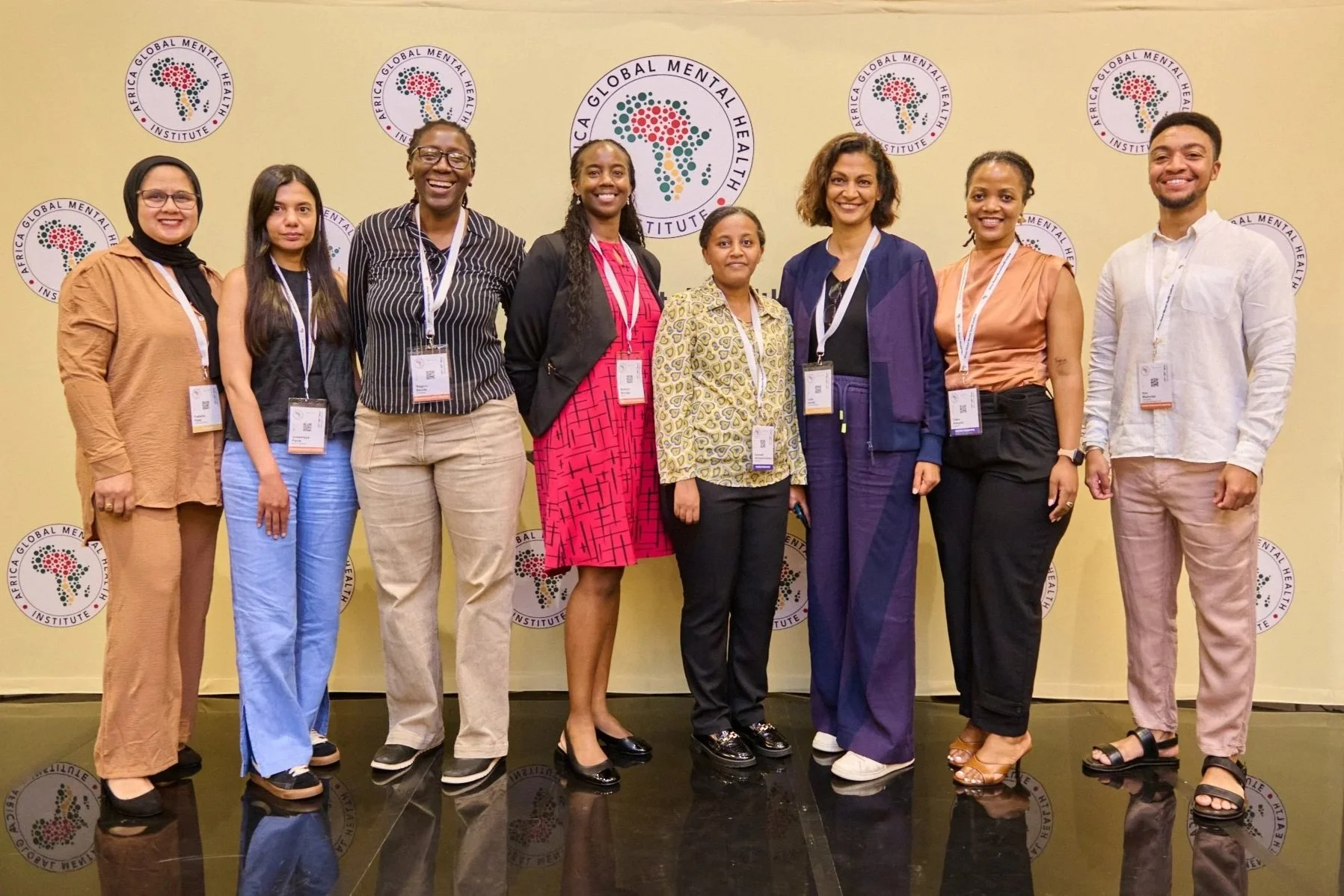
We were honored to welcome our second cohort of five fellows as part of the Research Mentorship Program in September 2025. Selected from nearly 100 applicants, these individuals originate from Kenya, Malawi, South Africa, Uganda, and Zimbabwe. Check out their individual profiles below to learn more about each of their backgrounds and areas of study.
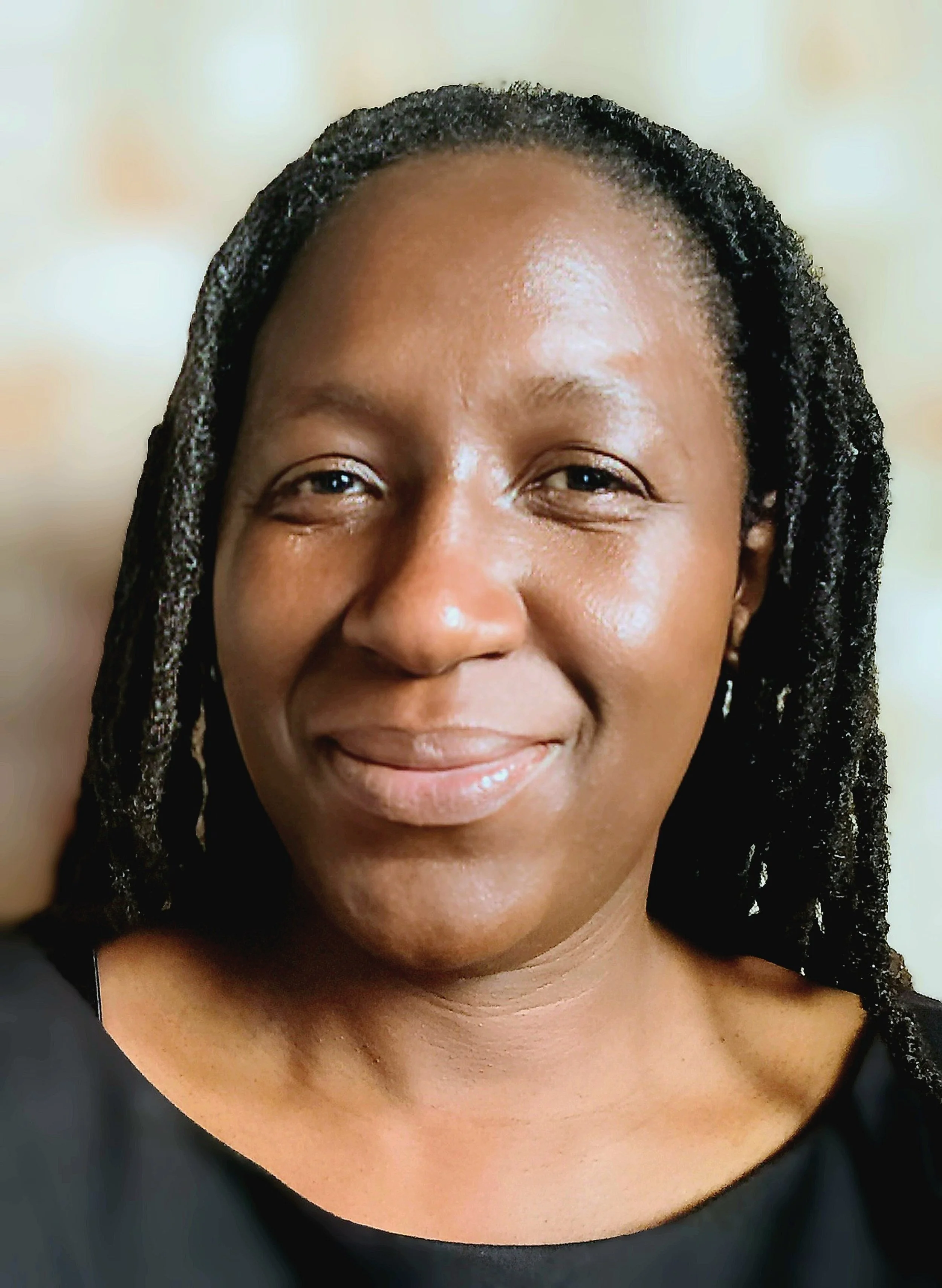
Regina Banda is a clinical psychologist, lecturer, and researcher based in Zimbabwe. She has a special interest in autism and ADHD. She teaches applied psychology at the University of Zimbabwe (UZ), supervises student dissertations, and mentors postgraduate placements. She is also a Clinical Psychologist Supervisor at UZ Psychology Services & Teaching Clinic (PSTC) and a Drug and Substance Use Counsellor at Population Solutions for Health Zimbabwe, providing individual, group, and couples therapy while training lay counsellors. Regina volunteers at Sally Mugabe Hospital, offering psychotherapy and psychometric assessments. She holds an MSc in Clinical Psychology, is pursuing a PhD in trauma-integrated therapy, and is trained in EMDR and Internal Cohesion Psychotherapy. Her work combines clinical expertise, research, and community engagement to advance mental health care and psychosocial support in Zimbabwe, particularly for low income community settings.
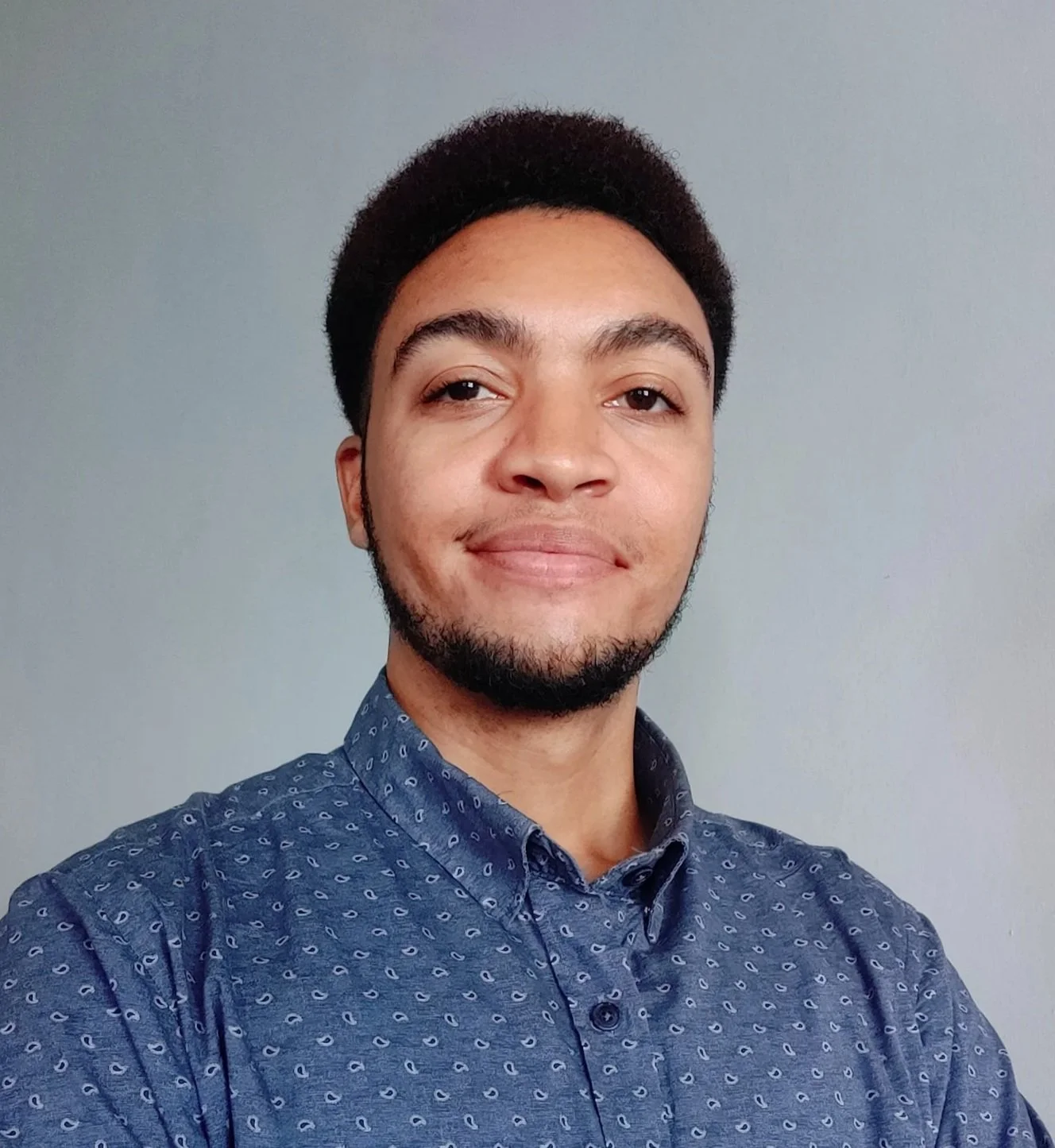
Dr. Kim Madundo is a psychiatrist, lecturer, and Head of Department of Psychiatry and Mental Health at Kilimanjaro Christian Medical Centre in Kilimanjaro, Tanzania. He is one of only six psychiatrists practicing in Northern Tanzania and has an interest in psychological trauma, depression and suicide, and developing interventions targeting these mental health challenges among young adults. He has experience in practicing medicine across various parts of Tanzania and has completed clinical attachments and observerships in Canada, USA, and Qatar. He has served as an investigator on multiple local and cross-country research grants to investigate suicidality and depression, harmful alcohol use, and to develop telehealth-based and brief negotiational counselling interventions to address these conditions. He is now a Fogarty fellow, co-mentored by researchers at Muhimbili and Boston Universities. In his career, he has mentored PhD level nurses, medical students, and junior nurses, and now also teaches Undergraduate and Master's level students.
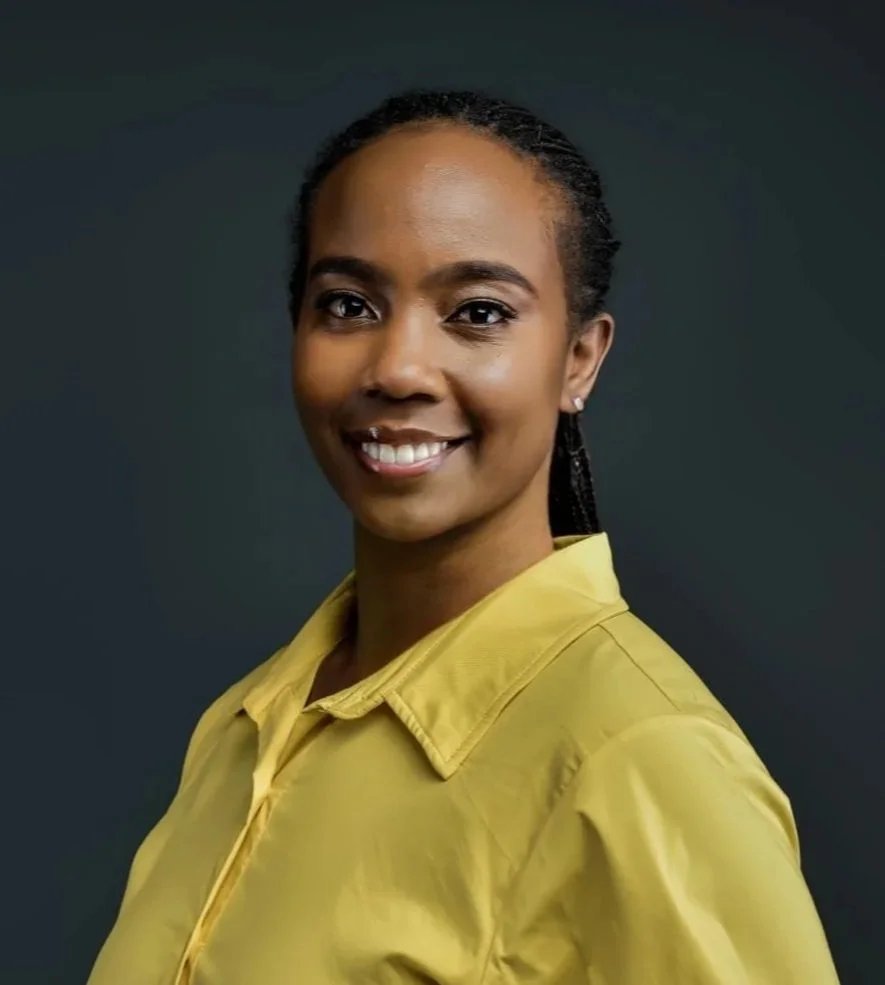
Dr. Muthoni Muthiga is a psychiatrist based in Nairobi, Kenya currently practicing at Mama Lucy Kibaki Hospital. She obtained her MBChB from the University of Nairobi in 2013 and completed her MMED in Psychiatry in 2023. Over the past decade, her clinical work has concentrated on children and adolescents in low- and middle-income settings, combining frontline care with advocacy at the system level. Her research to date has focused on youth mental health, particularly autism diagnosis in LMICs. She has two first-authored papers—one published in BMC Child and Adolescent Psychiatry and Mental Health, and another forthcoming preprint on healthcare worker knowledge and diagnostic barriers. Muthoni is committed to developing inclusive mental health systems, especially for young people affected by neurodevelopmental conditions and developmental trauma. She was awarded the 2024 IACAPAP travel grant to attend the World Congress in Rio de Janeiro, where she leveraged the platform to advocate for children with autism in Kenya. She aspires to subspecialize in child and adolescent psychiatry and pursue a PhD focused on scalable, evidence-based solutions. Her work is driven by a deep curiosity and an urgent desire to improve outcomes for young people and their families through research, collaboration, and strategic initiatives.
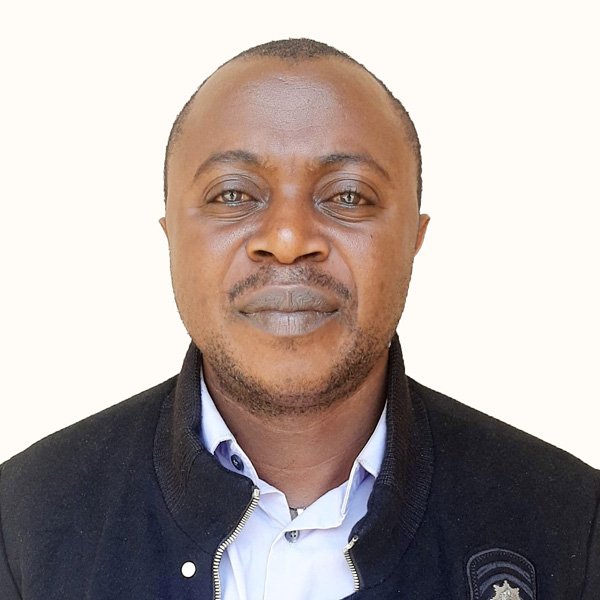
Dr. Bives Mutume Nzanzu Vivalya graduated as psychiatrist from Kampala International University in Uganda. Before specializing in psychiatry, he had five-years’ experience as a general practitioner and held managerial and supervisory roles at Masereka Health district in Democratic Republic of Congo (DRC), where he chaired the implementation of mental health and HIV/AIDS programs. Currently he serves as a multicenter Head of Psychiatry Department in Uganda and DRC. He coordinates undergraduate and postgraduate programs and provides clinical services to psychiatric patients. With an extensive administrative record in psychiatry and medical education, he led the implementation, assessment, and revision of the curricula and academic programs in institutions of higher education. Being a Microresearch International Canada Fellow, Bives serves as a coach of research teams working on community-based studies. He has more than thirty publications in peer-reviewed journals. Bives’s future goals include pursuing his PhD, making clinically and academically meaningful contributions to the field of psychiatry, while integrating mental health into primary health care in conflict-affected regions of DRC. His research focuses on relapses, length of hospital stays, early-onset dementia with a special interest on the interplay between trauma exposure, religious involvement, biomarkers changes and mental health outcomes among individuals living in war-tone zones.
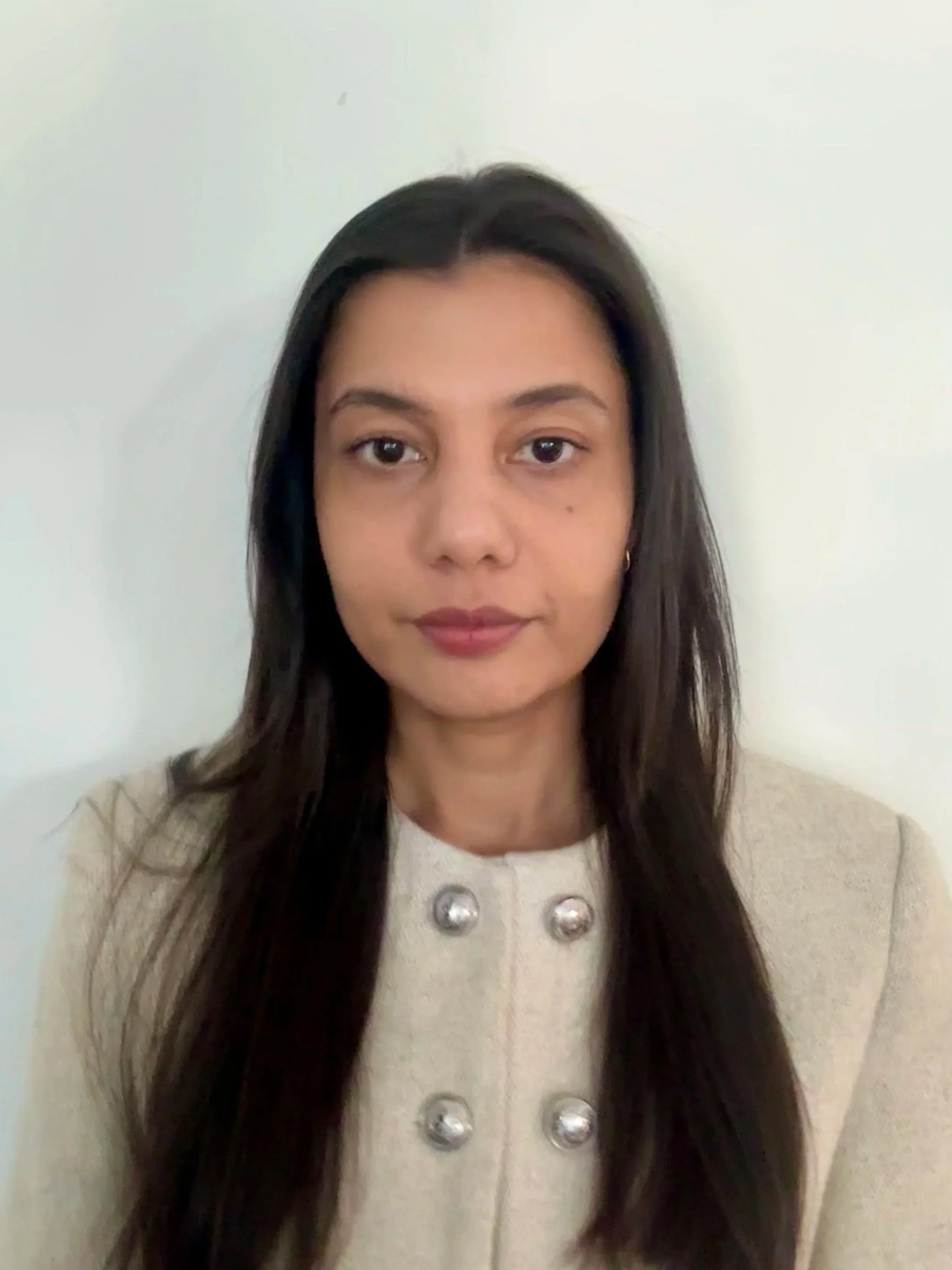
Juwairiyya Paruk is a lecturer at the Department of Occupational Therapy at the University of the Witwatersrand, in Johannesburg, South Africa. She graduated with a master’s degree in occupational therapy from the University of Pretoria in 2023. Her research interests explore the intersectionality of mental health influences on engagement in meaningful occupations using qualitative methodologies and scoping reviews to capture the nuances of individuals’ experiences. Her previous publications focus on public health and populations not typically considered by healthcare and social systems (such as caregivers and more broadly, secondarily affected population groups). Her interest is expanding to explore the influences of generational trauma on occupational engagement across individuals and communities in the African context. Her future work aims to highlight and address occupational injustices rooted in transgenerational experiences through the use of approaches rooted in feminism and trauma-informed care. In her current role as an occupational therapy lecturer, Juwairiyya teaches across the subject areas of mental health and occupational group therapy in undergraduate and postgraduate curricula.