Reflections from 2026 Psychiatry Research Week
13 March 2026
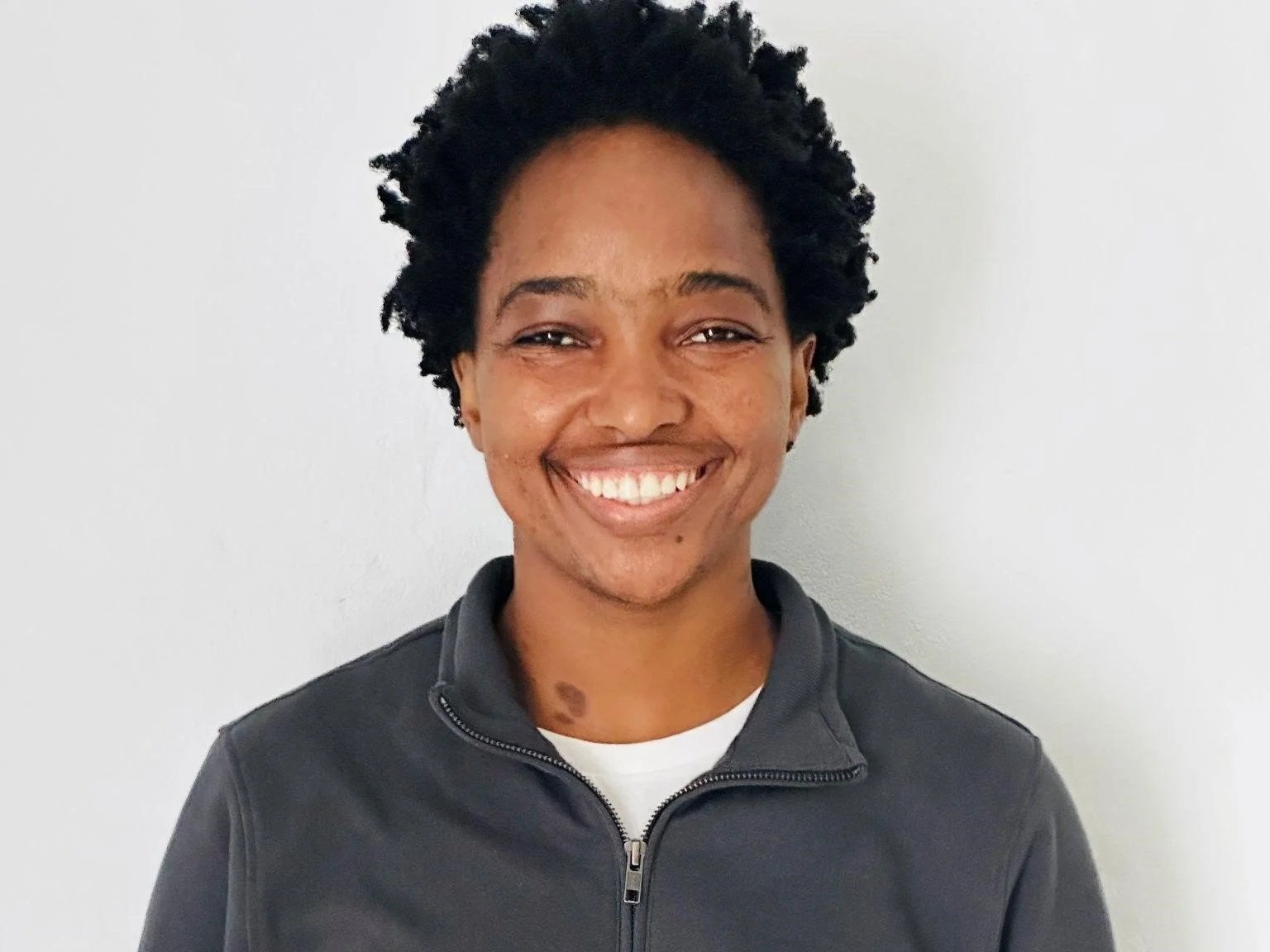
Sivuyile E. Mahlaba
Prior to attending the 2026 Psychiatry Research Week hosted by the University of KwaZulu Natal’s Psychiatry Department and the AGMHI, in collaboration with Boston Medical Center, the experience felt abstract and somewhat daunting. I entered curious and observant, yet acutely aware of an invisible threshold of knowledge I felt I had to meet before contributing meaningfully during the week and to research in general. Much of my attention was focused on perceived gaps in my understanding rather than on the opportunities for engagement and learning. This awareness shaped how I approached the week, as a space to absorb, rather than immediately participate.
Despite this perception, I had been exposed to research across different contexts in my training and professional development. In my undergraduate training in Cuba’s primary healthcare-based system, and later as a student intern and then professional in South Africa’s tertiary-based system, I witnessed and passively participated in research while viewing it as an obligation. While these experiences provided familiarity, research remained peripheral to my professional identity, and I had not yet consolidated these encounters into a coherent framework of understanding. I had accumulated knowledge fragments yet had not paused to synthesize these experiences or consider how I might contribute. It was within this context of accumulated yet unintegrated exposure, and of perceived thresholds yet to be met that I entered Research Week.
During the week, I had the privilege of attending both the academic talks and the afternoon quantitative research sessions. The afternoon opening session by Dr. Kalpesh Narsi simplified foundational concepts, making research feel accessible rather than daunting and allowing me to engage fully with subsequent sessions. Megan Campbell’s academic talk on genome-wide association studies particularly stood out to me because it illustrated how multidisciplinary collaboration accelerates discovery and drives practical solutions to common research goals, such as population-specific rational drug development. Dr. Hannah Brown’s talk on treatment approaches highlighted how research teams creatively address resource constraints to improve patient care and outcomes. A conversation with her afterwards reinforced that challenges with resources in healthcare are not immovable barriers but can be strategically addressed through thoughtful research.
Beyond content, what stood out was the mentorship and approachability of the facilitators. Their willingness to break down complex topics, welcome questions, and provide guidance highlighted that research is inherently collaborative rather than solitary. These interactions subtly challenged my prior assumptions about the thresholds of expertise required to participate in research, leaving me more confident in the possibility of integrating research into my professional practice. The week offered not only knowledge but a model of how research can be applied meaningfully to address clinical challenges.
The sessions and discussions made it clear that research is not simply an academic exercise, but a means to understand, address, and anticipate gaps in healthcare delivery. This realization has reshaped how I view my role in psychiatry and mental health research. I gained confidence in engaging with complex concepts and began to see the value of iterative learning, that understanding deepens through engagement, practice, and reflection.
Overall, the experience reflected the strong support and commitment that UKZN demonstrates in building research competency among its trainees, and the broader circuit. Moving forward, I am eager to approach my MMed research more deliberately and thoughtfully, and I am grateful of initiatives such as this that UKZN and AGMHI have afforded me. I look forward to attending Research Week again next year.
By Sivuyile E. Mahlaba, MBChB